Hard Boundaries for AI Agents: Time, Budget, and Permission Controls in Production
How to stop agents from running wild: clear limits on time, tokens, tools, and user data. Practical patterns to keep AI agents under control in production systems.
Page 6 of 17
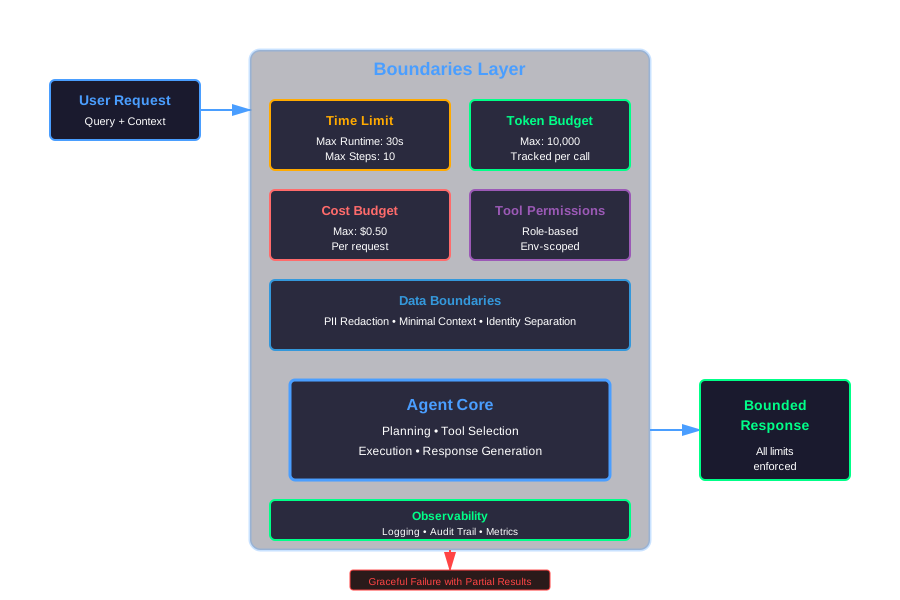
How to stop agents from running wild: clear limits on time, tokens, tools, and user data. Practical patterns to keep AI agents under control in production systems.
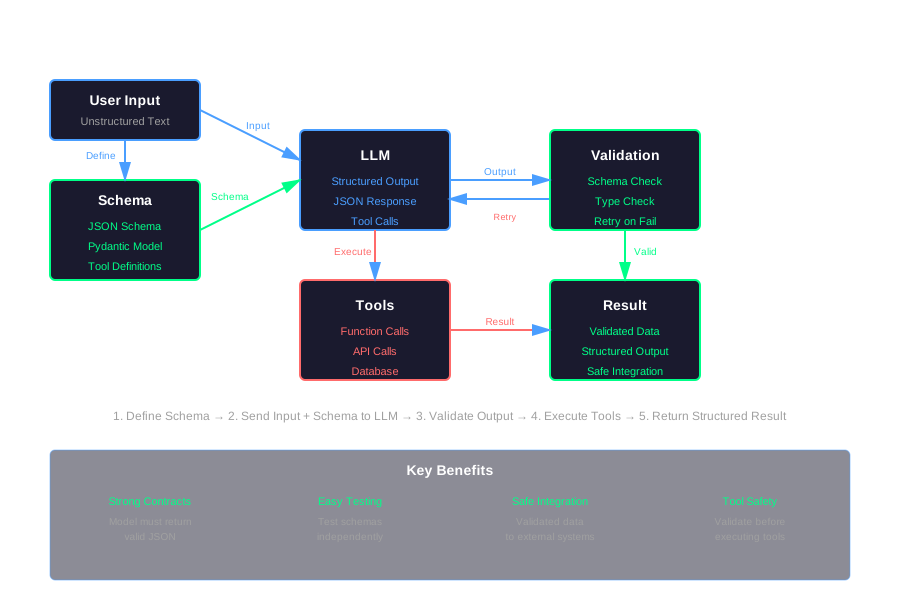
How to treat LLMs as strict, structured components instead of free-form text generators. Start with schemas and tools, then write prompts around them.
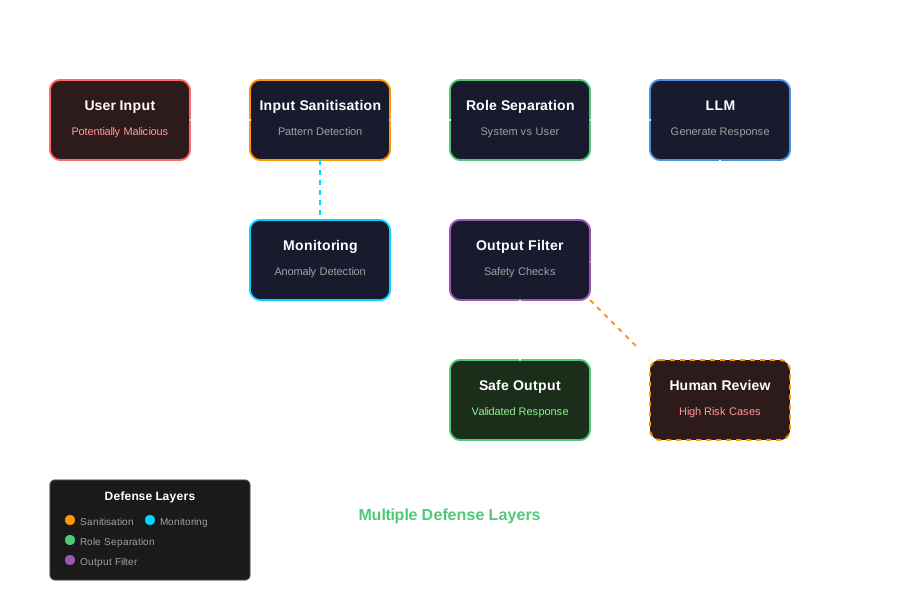
Learn how to design prompt pipelines that defend against adversarial inputs like prompt injection, malicious context, and out-of-distribution queries. Build production-ready LLM systems with proper input sanitisation, role separation, and monitoring.
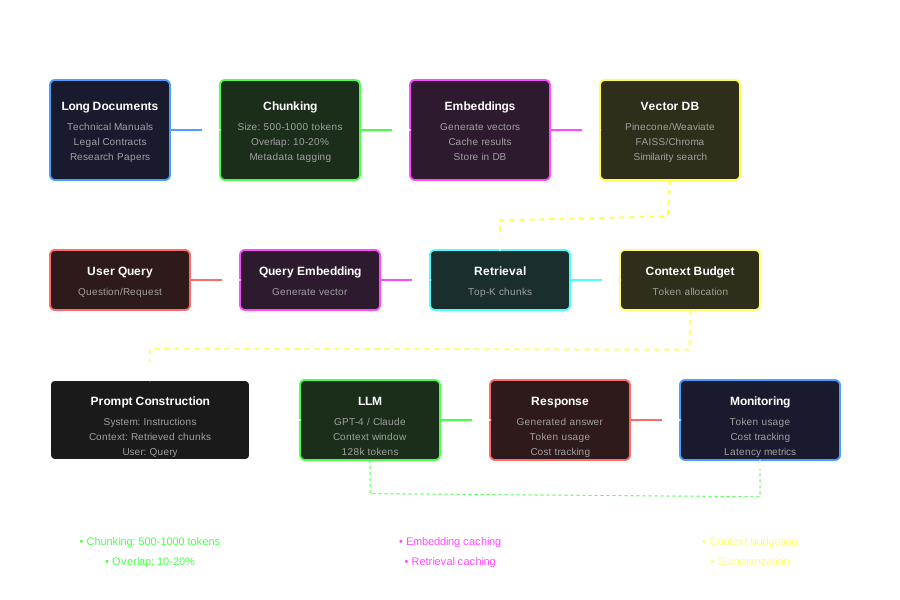
Learn how to optimize context-window usage and retrieval-augmented generation pipelines when working with long documents. Covers chunking strategies, context budgeting, embedding retrieval, caching, and cost-performance trade-offs.
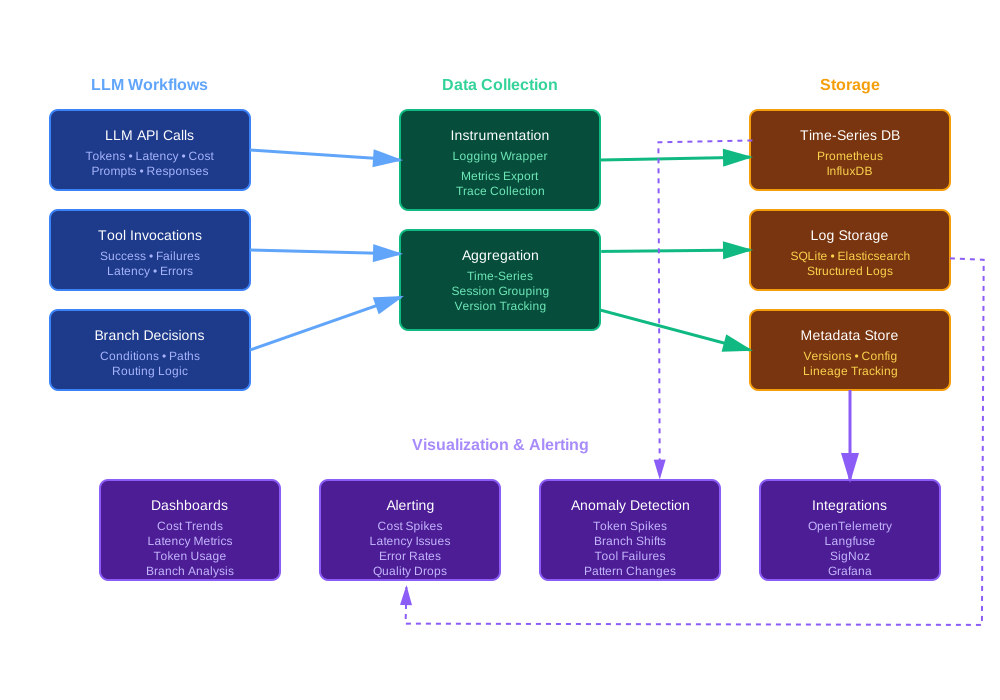
Production LLM systems need observability. Learn how to monitor prompts, track token usage, detect drift, catch hallucinations, and build alerting systems tailored for LLM workflows.
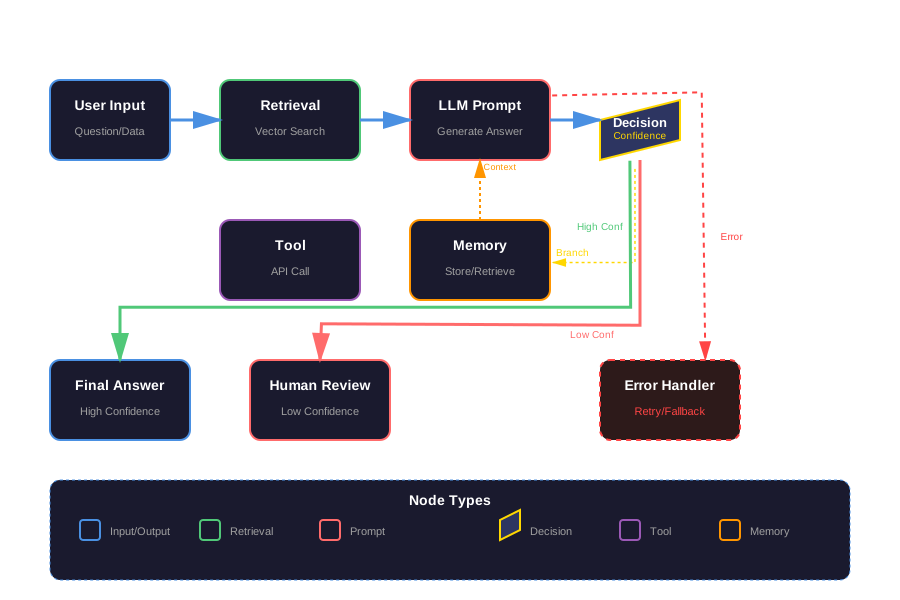
Move beyond linear prompt chains to graph-based workflows. Learn how to design robust LLM pipelines with branching, error handling, and observability using prompt-graph architecture.
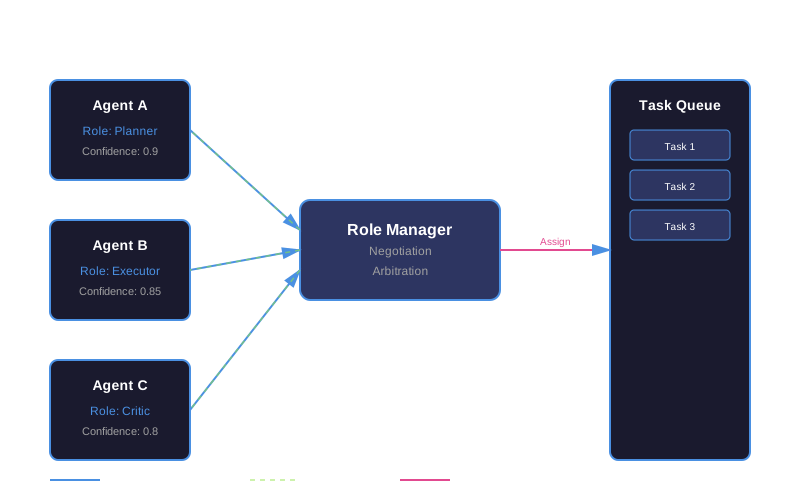
How autonomous AI agents can dynamically negotiate and adapt roles in real-time collaborations using LLM-driven role arbitration and reinforcement learning. Practical guide to building self-organizing agent teams.
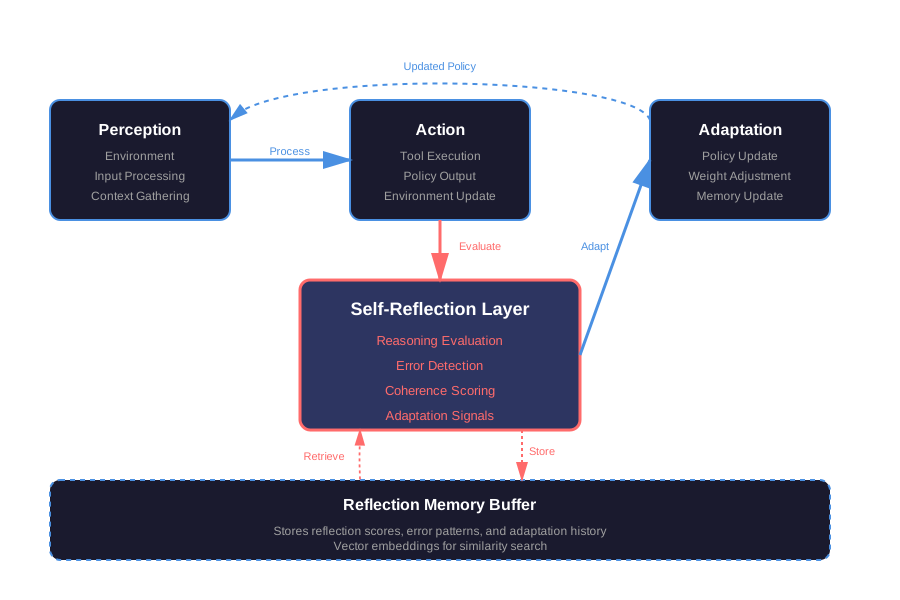
How AI agents can evaluate and adjust their own reasoning loops dynamically using internal reflection models. Practical guide to building agents that self-correct and adapt in real-time.
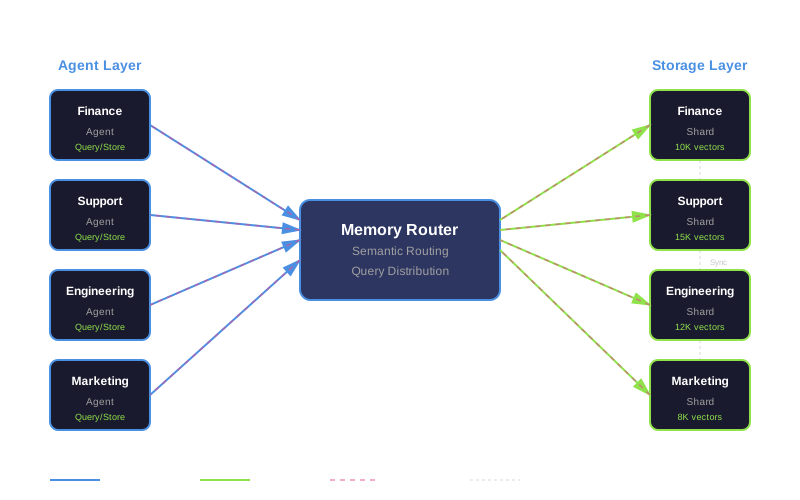
Building distributed cognitive memory for multi-agent ecosystems. Learn how memory sharding solves context collisions, slow retrieval, and redundant embeddings in large-scale agent systems.
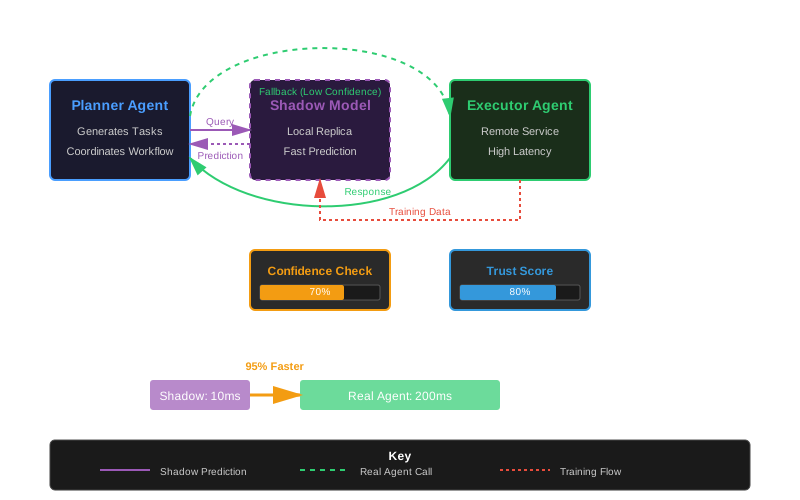
How to build lightweight local replicas that predict remote agent responses to cut coordination latency in multi-agent workflows. Practical guide to shadow models with Python examples.