Failure-First AI Agents: Designing Timeouts, Fallbacks, and Human Handoffs That Don't Break Prod
How to build agents that fail safely instead of failing loudly.
15 posts found
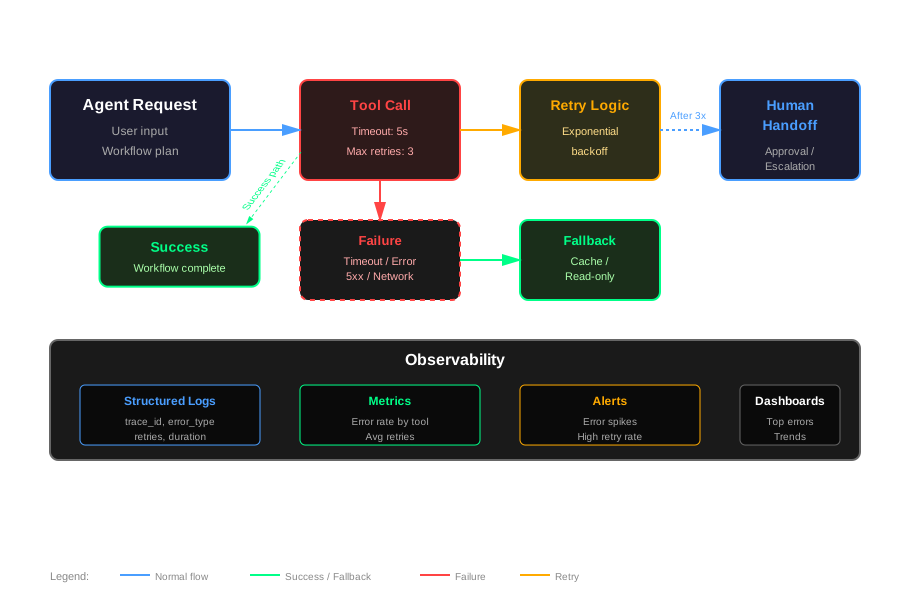
How to build agents that fail safely instead of failing loudly.
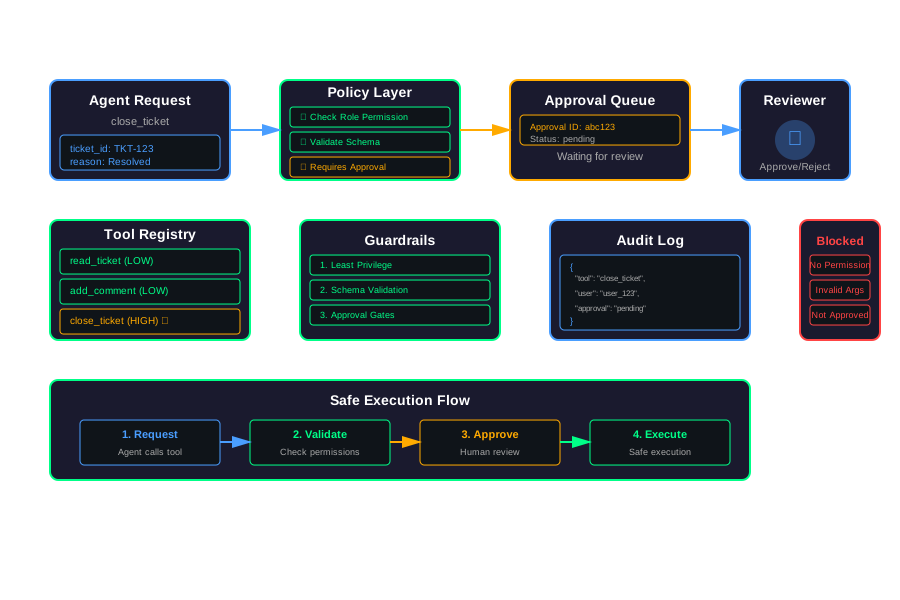
How to stop your agents from doing unsafe or surprising things when they call tools like email, payments, or internal APIs.
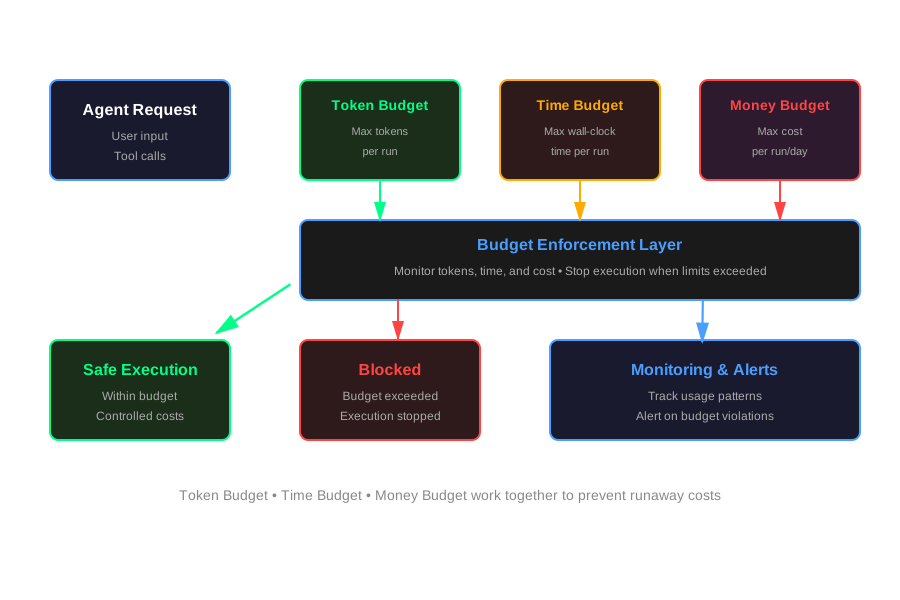
How to stop agents from looping forever, burning tokens, and slowing everything down.
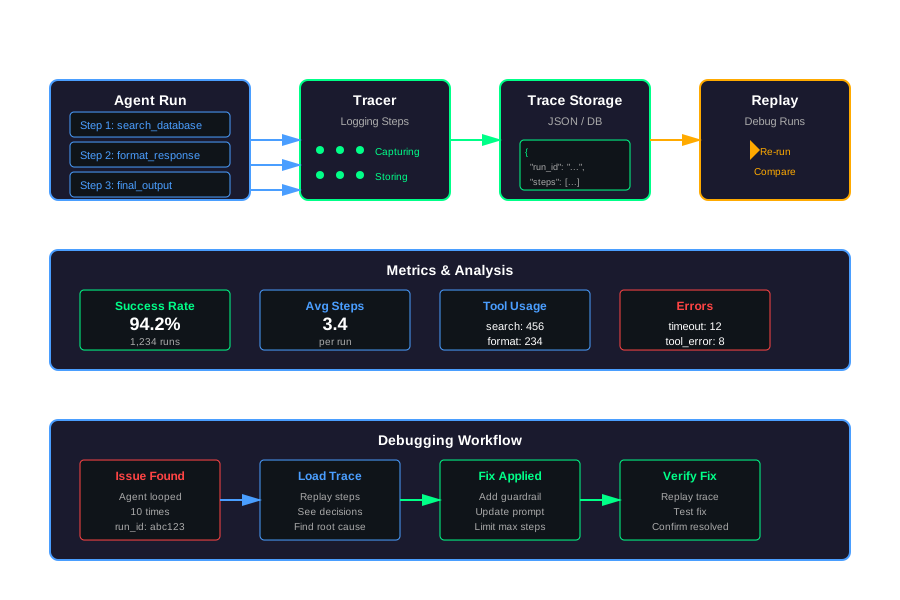
How to see what your agent actually did, step by step, and debug it like normal software. A practical guide to logging, replaying, and debugging AI agent workflows.
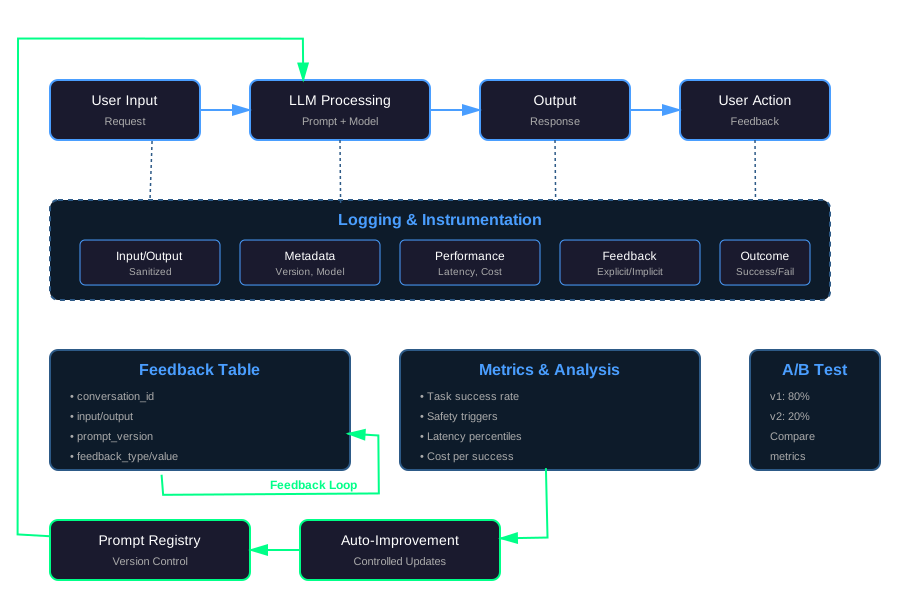
How to capture real user behavior and use it to quietly improve LLM prompts, tools, and policies over time. A practical guide to building feedback loops that turn messy usage into structured improvement.
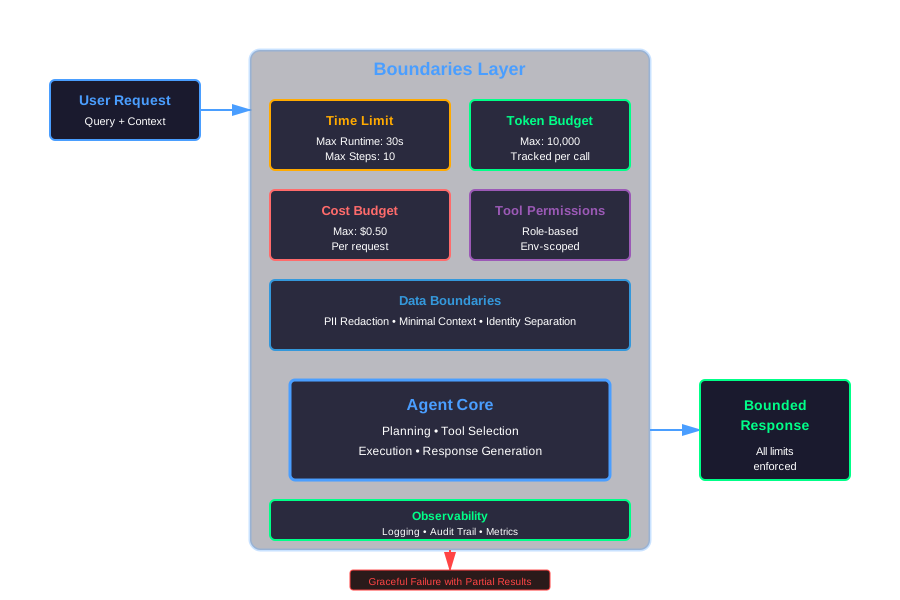
How to stop agents from running wild: clear limits on time, tokens, tools, and user data. Practical patterns to keep AI agents under control in production systems.
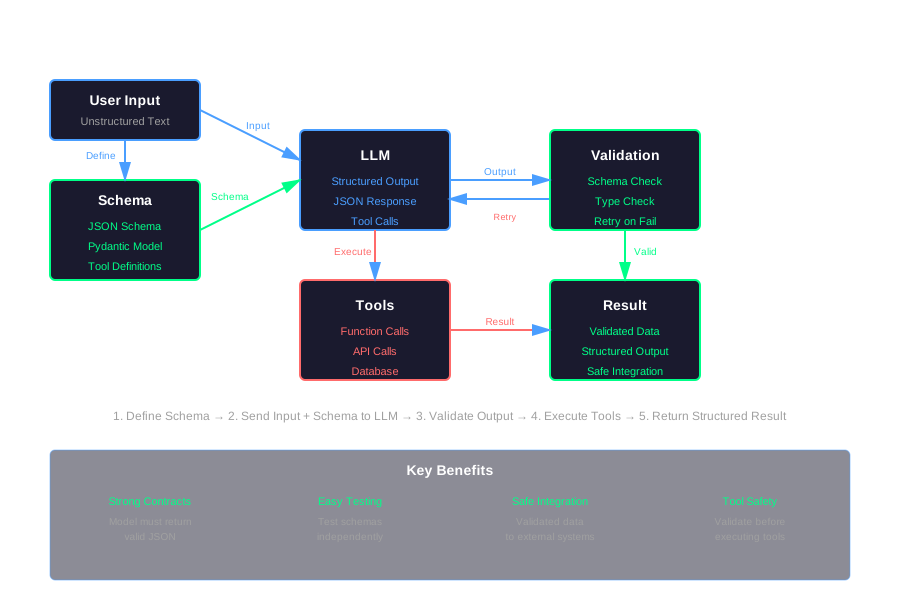
How to treat LLMs as strict, structured components instead of free-form text generators. Start with schemas and tools, then write prompts around them.
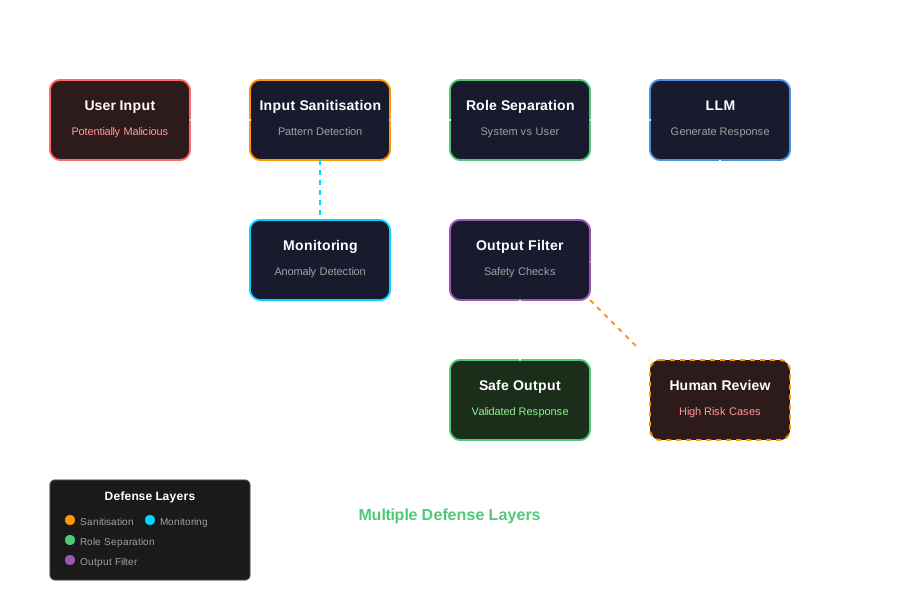
Learn how to design prompt pipelines that defend against adversarial inputs like prompt injection, malicious context, and out-of-distribution queries. Build production-ready LLM systems with proper input sanitisation, role separation, and monitoring.
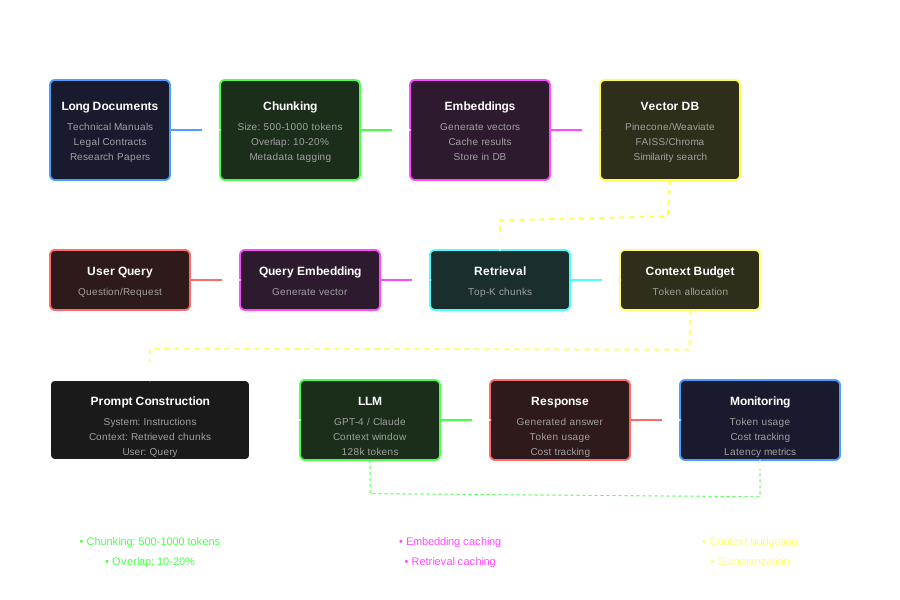
Learn how to optimize context-window usage and retrieval-augmented generation pipelines when working with long documents. Covers chunking strategies, context budgeting, embedding retrieval, caching, and cost-performance trade-offs.
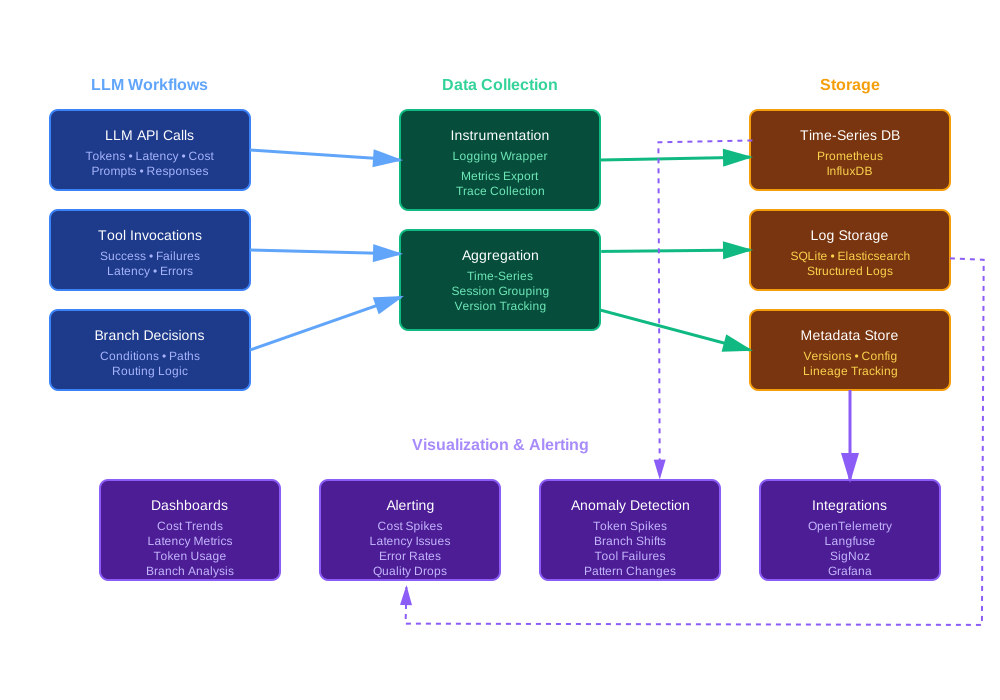
Production LLM systems need observability. Learn how to monitor prompts, track token usage, detect drift, catch hallucinations, and build alerting systems tailored for LLM workflows.