Designing Backpressure-First Systems: Surviving Traffic Spikes Without Falling Over
How to design web services that slow down gracefully instead of crashing when traffic or downstream latency spikes.
22 posts found
Page 2 of 3
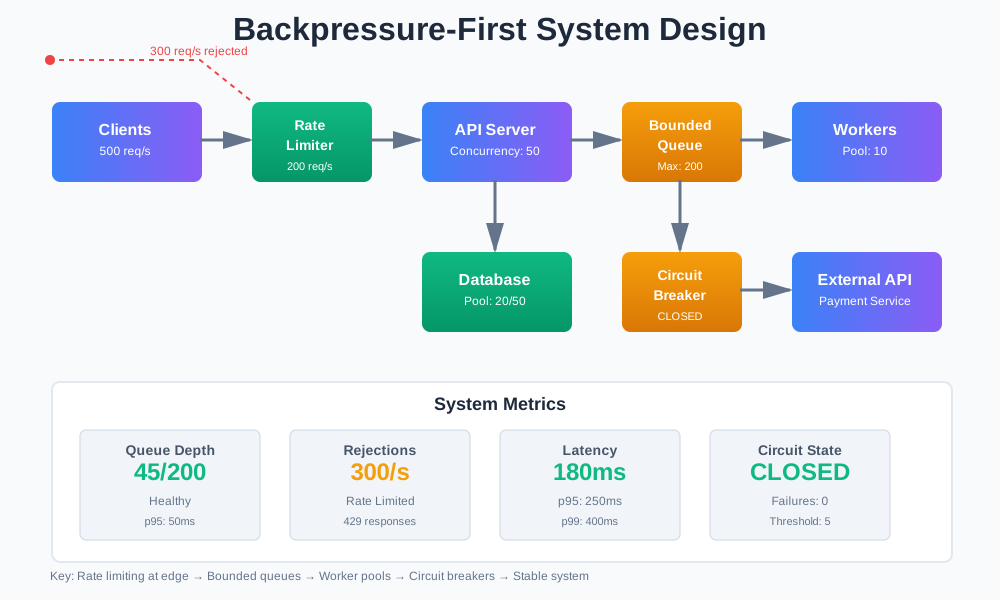
How to design web services that slow down gracefully instead of crashing when traffic or downstream latency spikes.
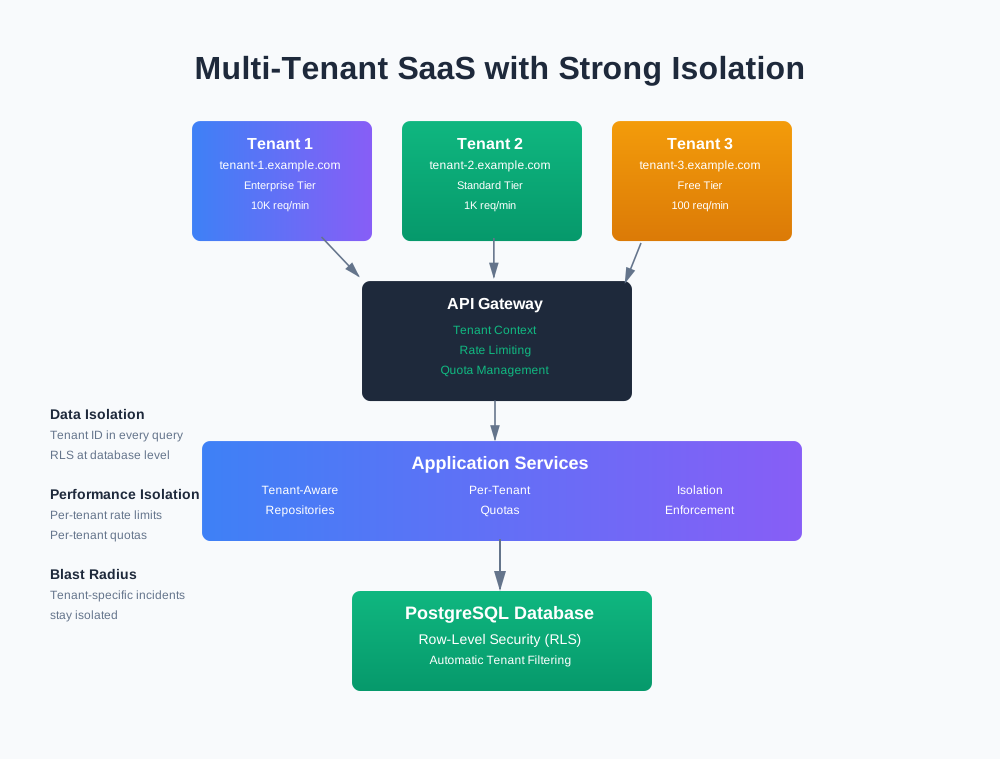
How to design SaaS systems where many tenants share the platform but don't share failure modes, noisy neighbors, or data.
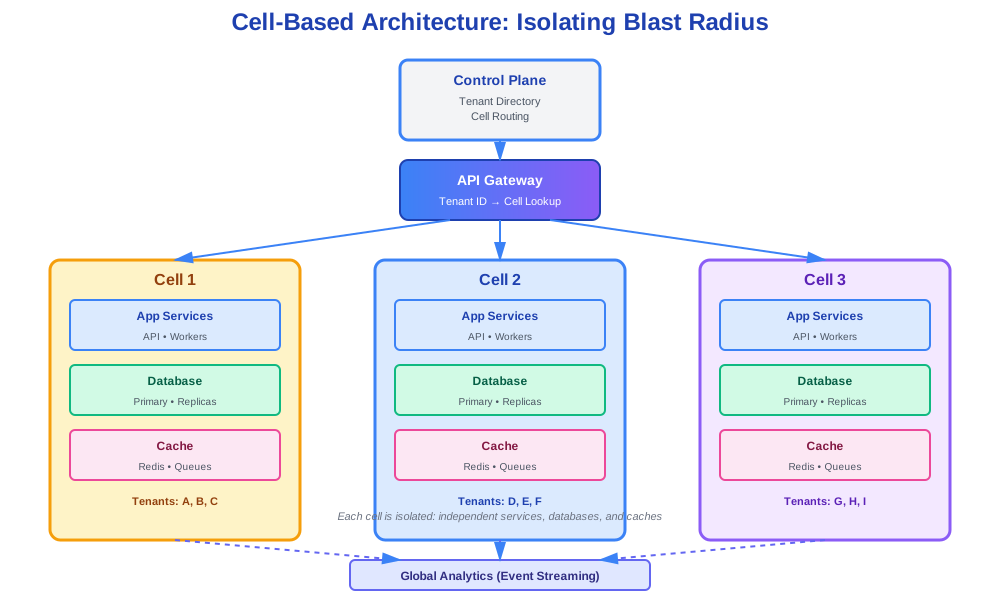
How to move from one big shared cluster to multiple self-contained cells that limit incident impact and isolate noisy neighbors.
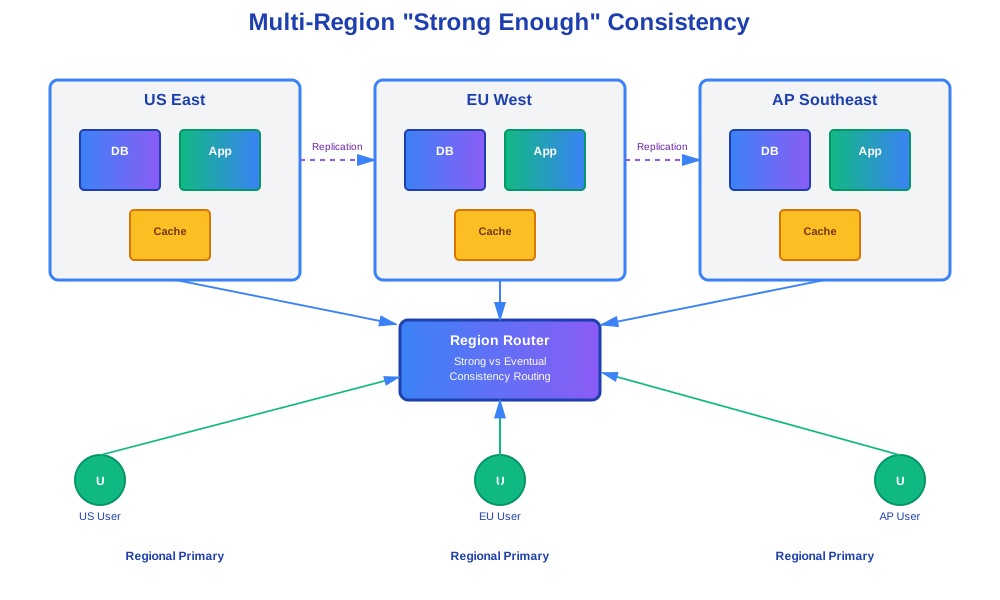
Practical patterns for 'strong enough' consistency in multi-region systems: per-entity guarantees, clear SLAs, and simple conflict handling.
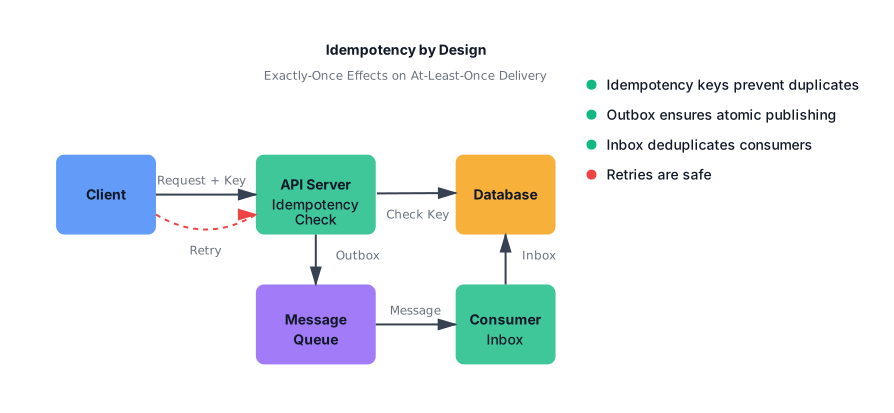
A practical blueprint for building idempotent systems that prevent duplicate payments, orders, and writes in distributed systems.
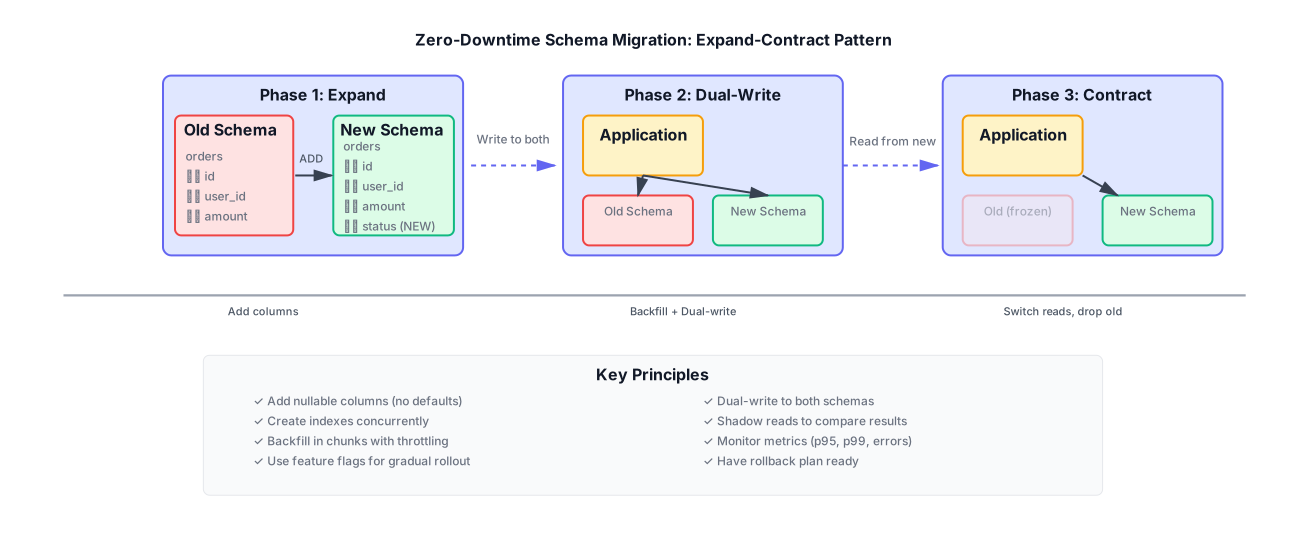
Most outages in mature systems are caused by migrations. You can avoid them with safe steps and the right guardrails. A practical guide to the expand-contract pattern for zero-downtime schema changes.
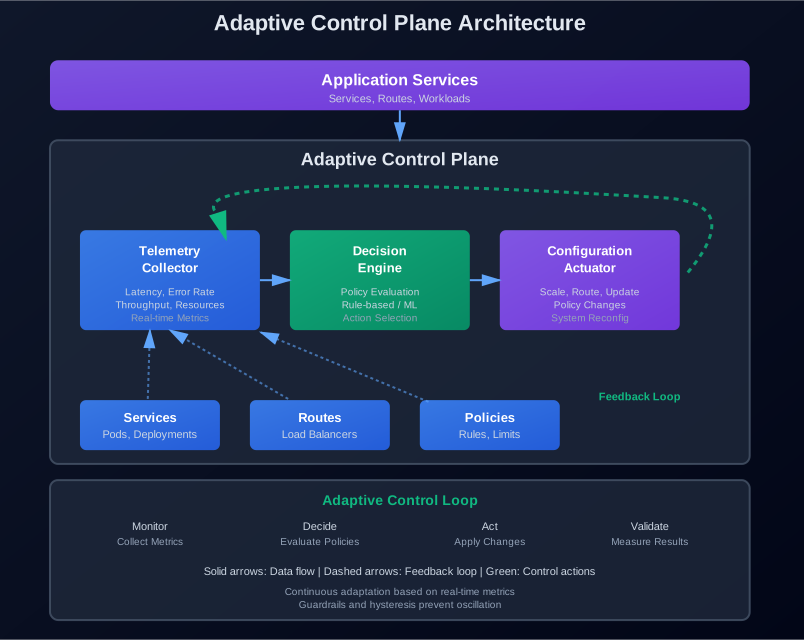
Modern systems need to adapt on their own. Learn how adaptive control planes use telemetry, decision engines, and feedback loops to automatically optimize routing, workloads, and policies based on real-time conditions.
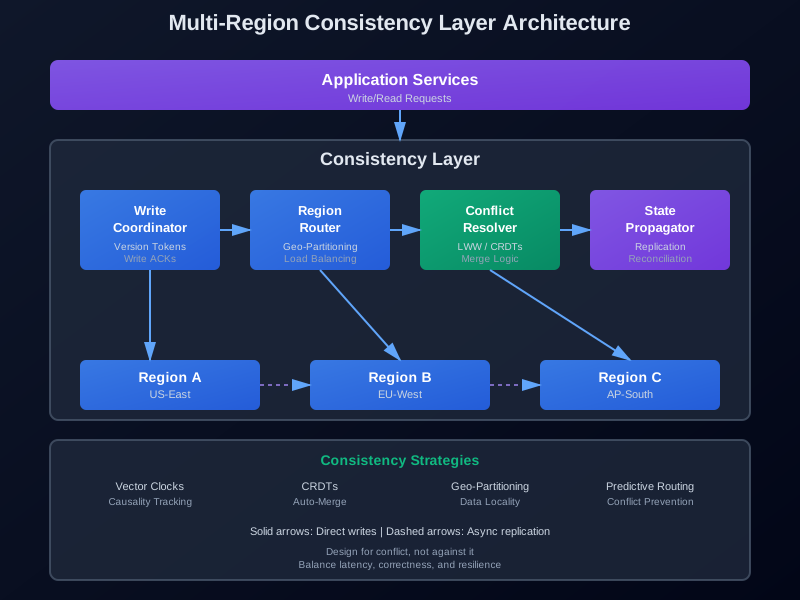
A practical guide to building consistency layers for multi-region systems. Learn how to balance latency, correctness, and resilience using vector clocks, CRDTs, geo-partitioning, and conflict resolution patterns.
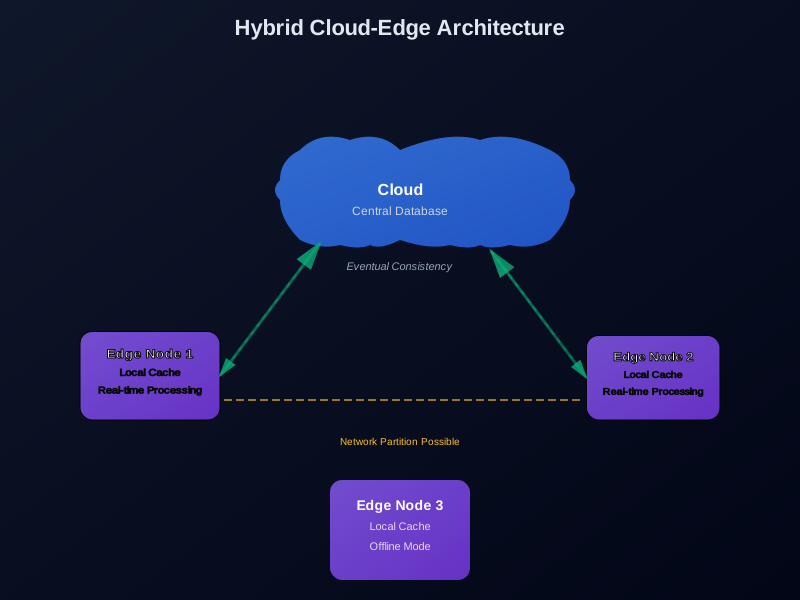
An in-depth exploration of how modern systems maintain consistency when computation and data are split between edge nodes and central clouds. Practical patterns for IoT, retail, autonomous devices, and AI inference.
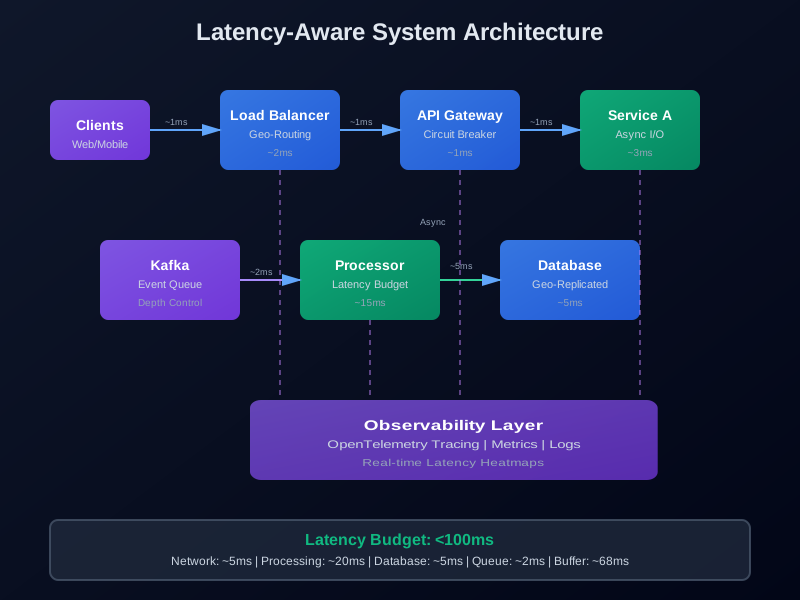
How to design large-scale systems that guarantee ultra-low-latency under unpredictable workloads. Practical patterns for AI inference, real-time collaboration, and IoT platforms.