Behavior Fusion: Integrating Multi-Intent Reasoning in AI Agents
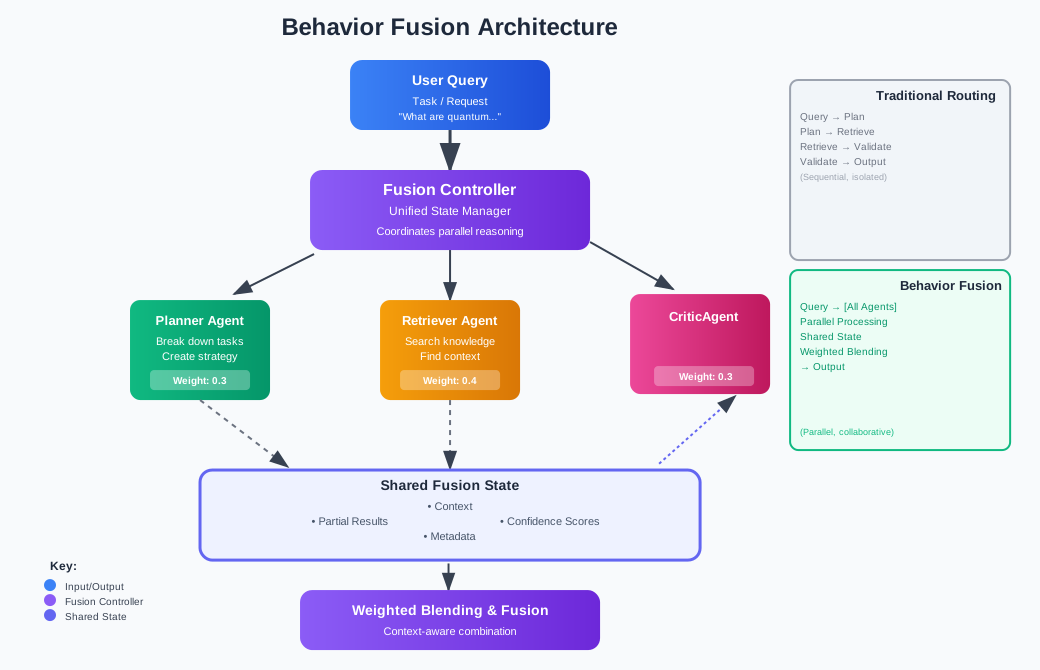
How to blend multiple reasoning intents within a single AI agent context. Learn about behavior fusion patterns, fusion weights, and unified state management for adaptive agent systems.
28 posts found
Page 3 of 3
How to blend multiple reasoning intents within a single AI agent context. Learn about behavior fusion patterns, fusion weights, and unified state management for adaptive agent systems.
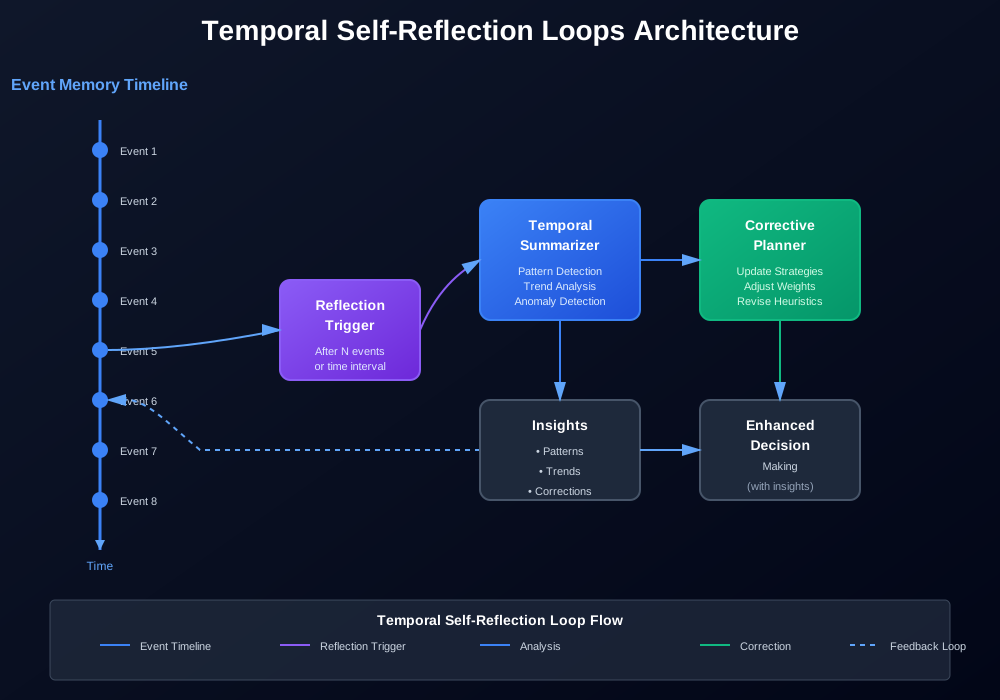
How agents can evaluate their past decisions over time and recontextualize memory timelines for better future reasoning. Learn about temporal reflection patterns, episodic intelligence, and memory timeline management.
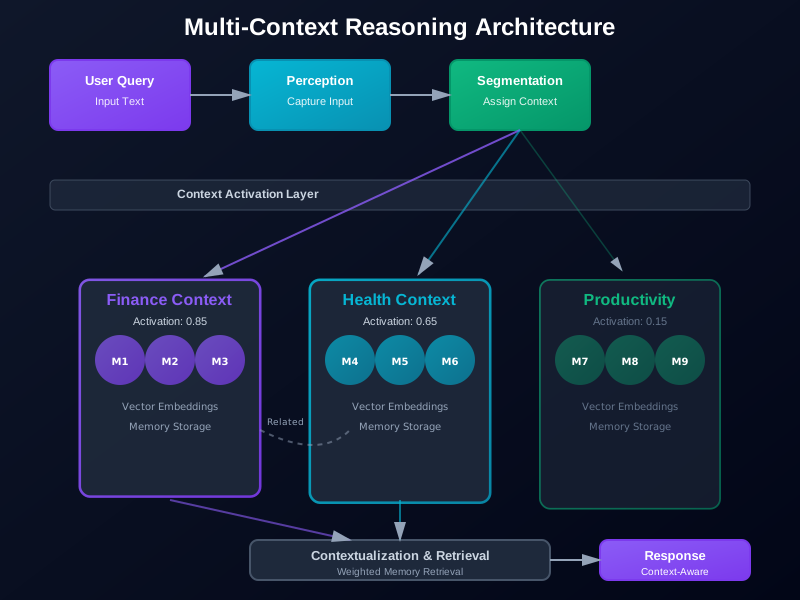
How to design agents that can dynamically switch between multiple active contexts using contextual memory segmentation and adaptive reasoning. Practical architecture patterns for production-grade multi-context agents.
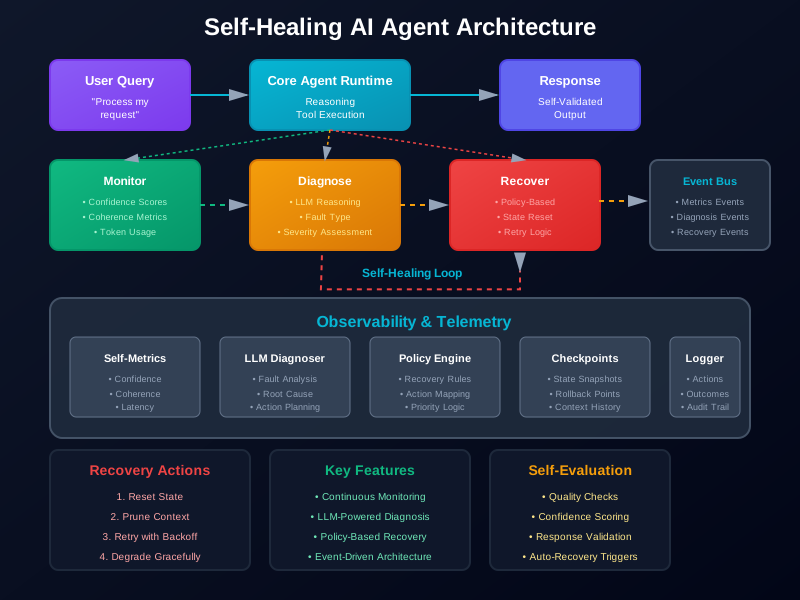
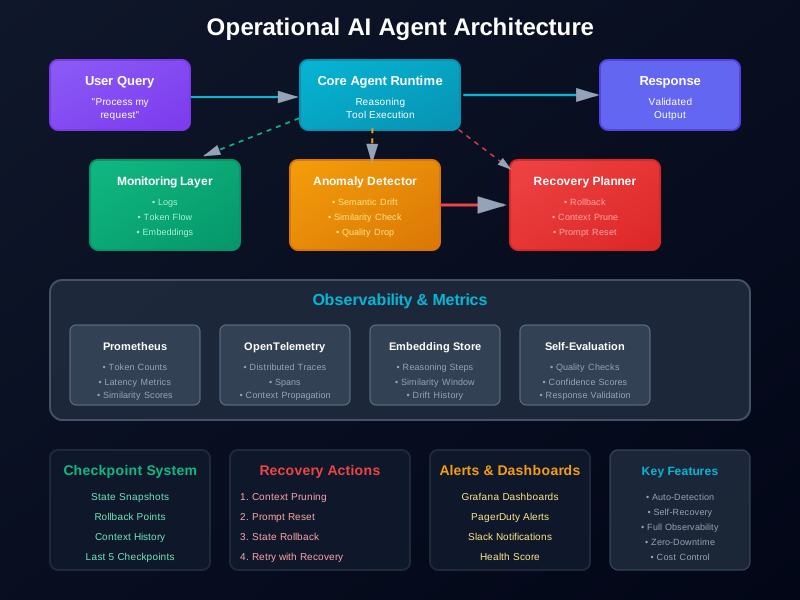
How to build AI agents that detect, diagnose, and recover from their own operational faults using continuous monitoring and adaptive feedback loops. Practical architecture patterns for production-grade self-healing agents.
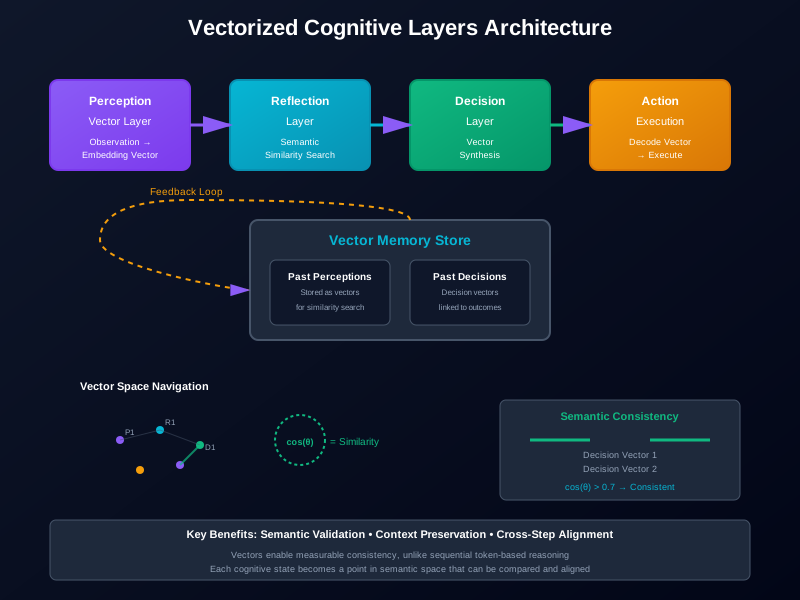
Vectorized Cognitive Layers (VCLs) combine embedding-based semantic memory with symbolic reasoning to enable contextually consistent decisions and long-horizon planning in AI agents.
Learn how to build AI agents that monitor themselves, detect failures, and recover automatically. Practical guide to self-healing agent architectures in production.
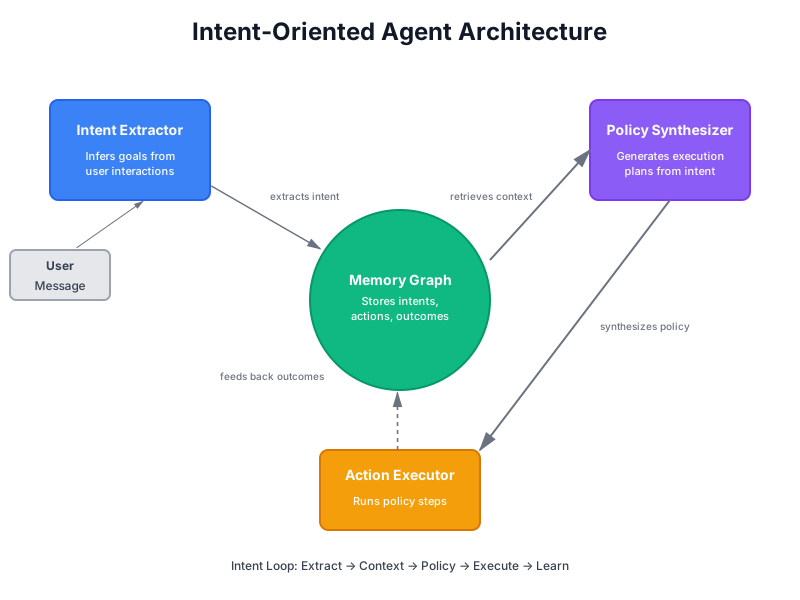
Intent-Oriented Agent Architecture (IOAA) bridges task-based agents and cognitive architectures through intent modeling, context memory, and adaptive policy generation.
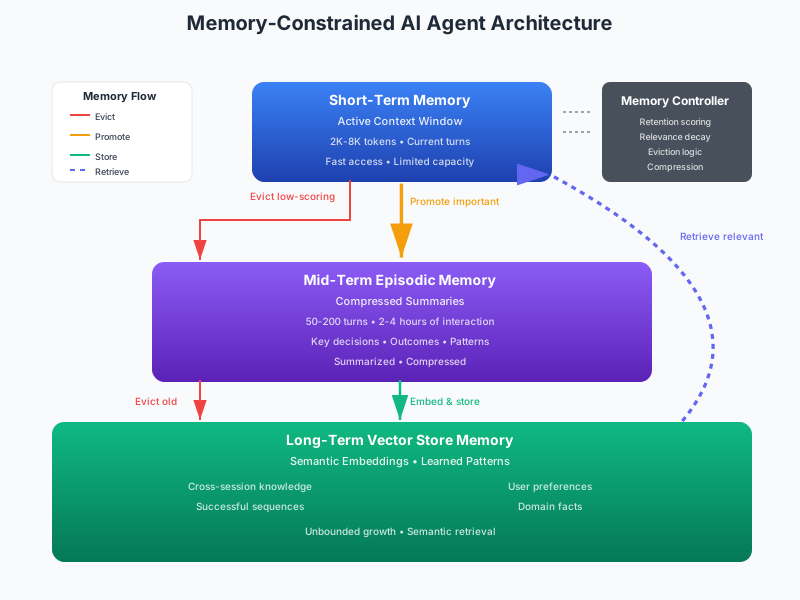
Architecting AI agents that maintain cognitive capabilities with finite memory through layered memory design, eviction strategies, and adaptive compression techniques.