AgentOps: Applying DevOps Principles to AI Agent Lifecycle Management
Learn how to apply DevOps principles to AI agent development, from prompt versioning to behavioral drift detection and automated rollback systems.
Page 13 of 18
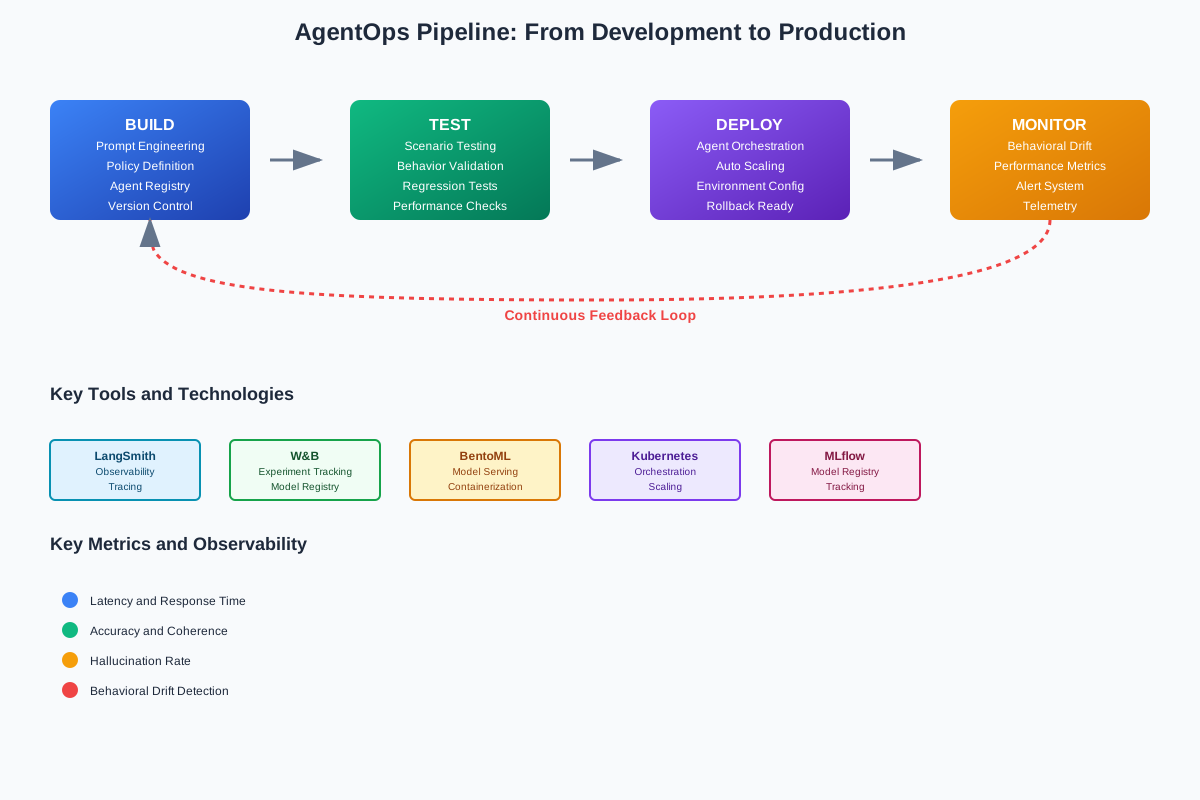
Learn how to apply DevOps principles to AI agent development, from prompt versioning to behavioral drift detection and automated rollback systems.
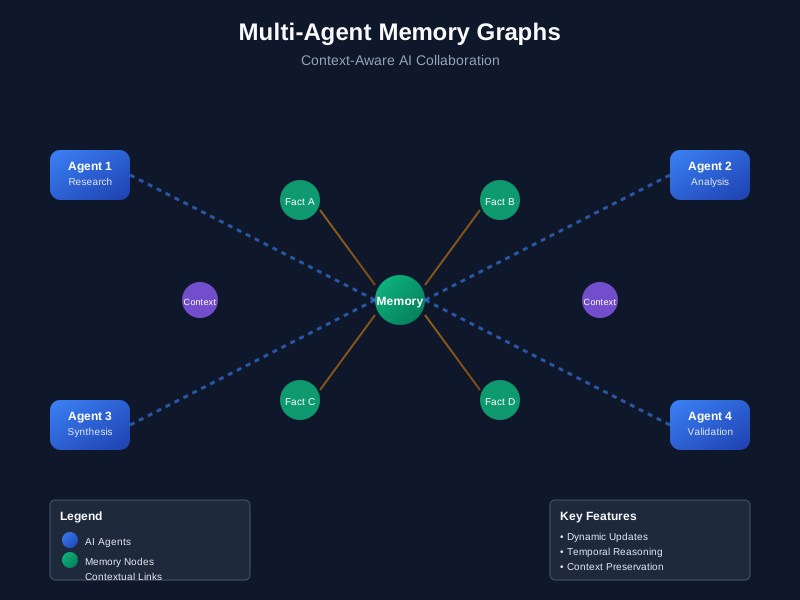
Explore how memory graphs are emerging as the most efficient way to represent evolving context between AI agents. Instead of simple vector stores, agents build and traverse dynamic knowledge graphs to reason, collaborate, and remember over time.

Exploring emerging orchestration strategies for multi-agent systems—beyond simple sequential or hierarchical chaining. Focus on dynamic, event-driven orchestration, context routing, and self-healing agent graphs.
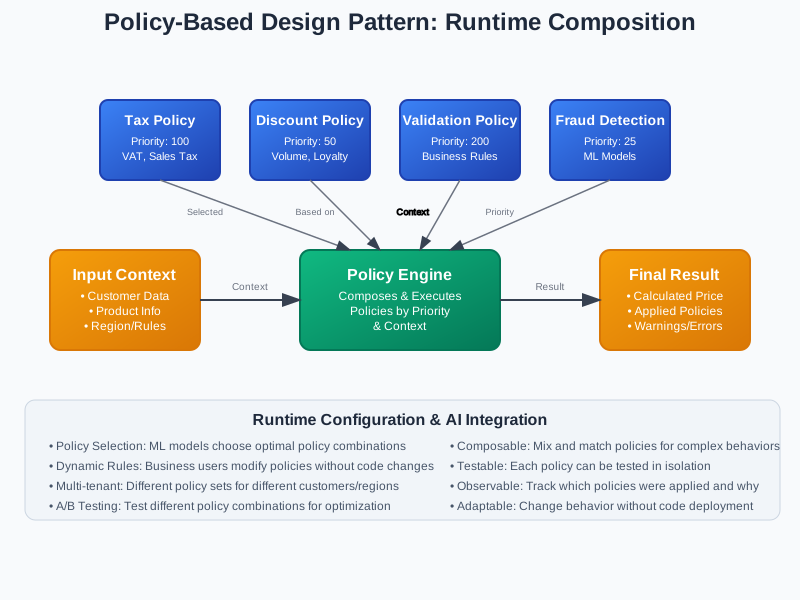
Explore how the Policy-Based Design Pattern enables runtime adaptability and configurable behavior in modern applications, from multi-tenant SaaS to AI-driven systems.
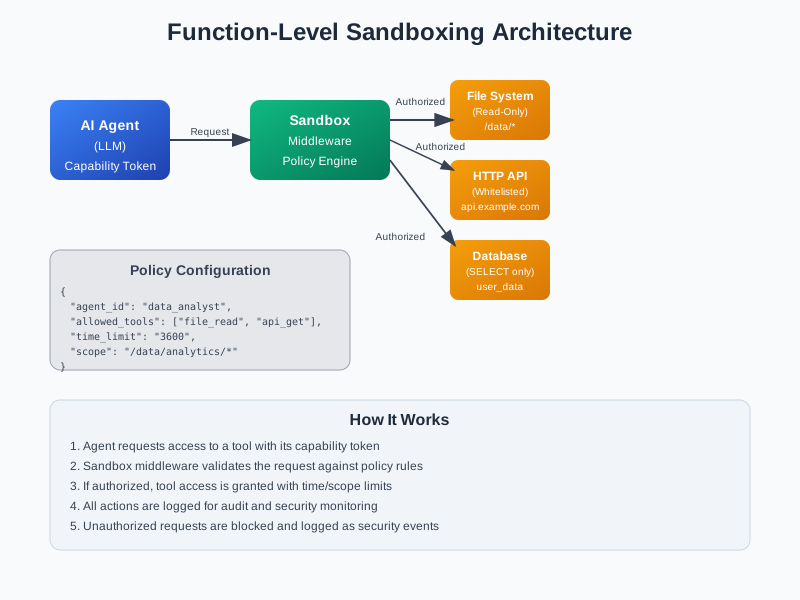
Learn how to safely expose external tools and APIs to AI agents using function-level sandboxing and capability tokens, preventing data leaks and uncontrolled actions.
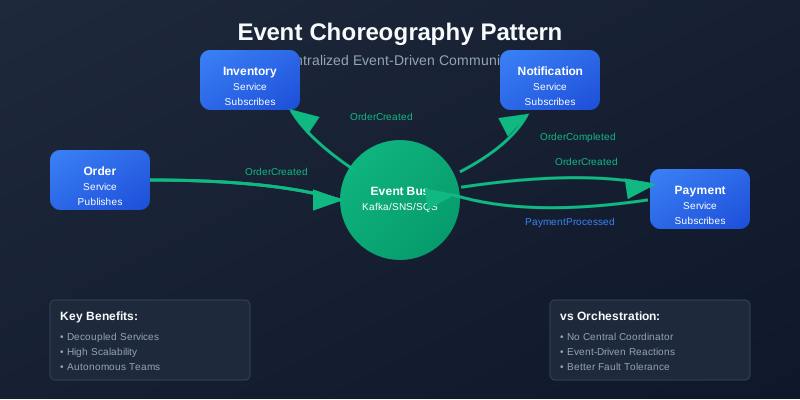
Explore how event choreography is replacing centralized orchestration in modern distributed systems, offering better scalability and autonomy for microservices.

Learn how to adapt traditional software design patterns for AI/ML systems. From Factory to Observer patterns, discover AI-aware extensions that handle model versioning, retraining, and graceful fallbacks.
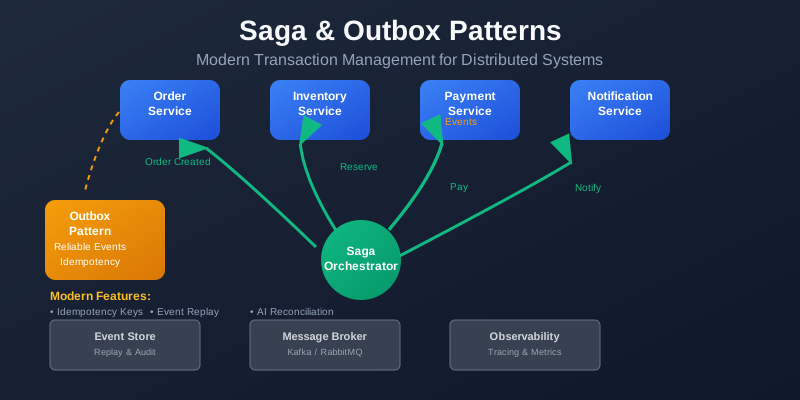
Learn how to combine Saga and Outbox patterns with modern techniques like idempotency keys, event sourcing, and AI-based reconciliation for robust distributed transaction management.
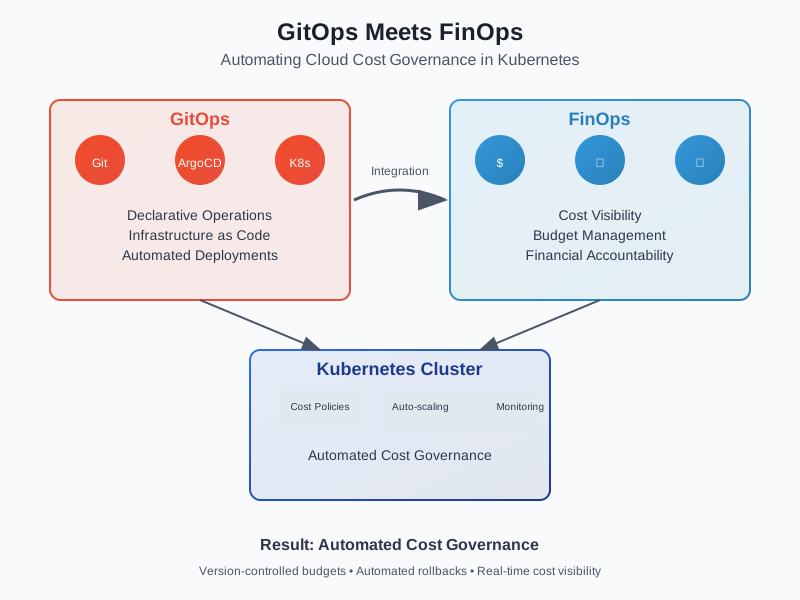
Learn how to combine GitOps and FinOps to automate cost governance in Kubernetes clusters. From cost-as-code to automated rollbacks, here's how to make cloud spending visible and controllable.
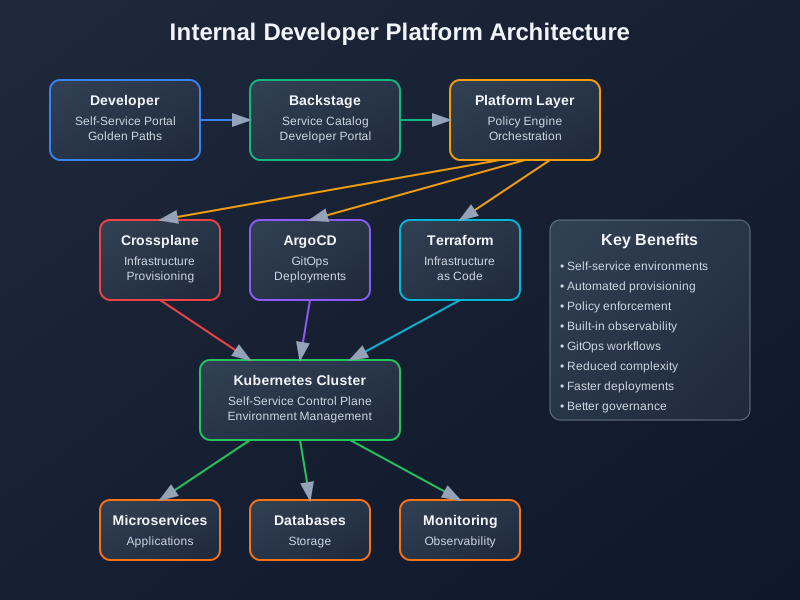
Modern Internal Developer Platforms (IDPs) are automating developer workflows beyond conventional CI/CD, improving velocity and governance. Here's how they work and why they matter.