Cognitive Control Loops in Autonomous AI Agents: Balancing Autonomy with Oversight
How cognitive control loops can make AI agents both autonomous and corrigible through self-regulation and reflection mechanisms.
Page 10 of 17
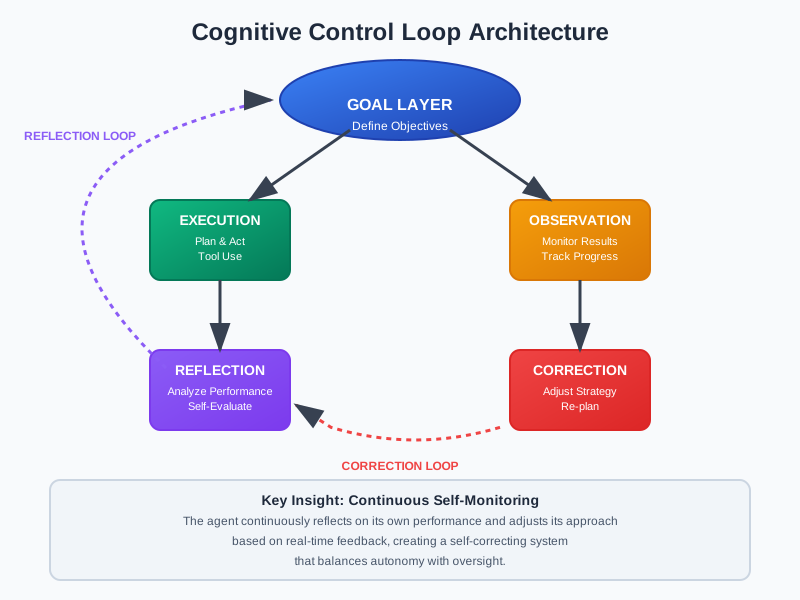
How cognitive control loops can make AI agents both autonomous and corrigible through self-regulation and reflection mechanisms.
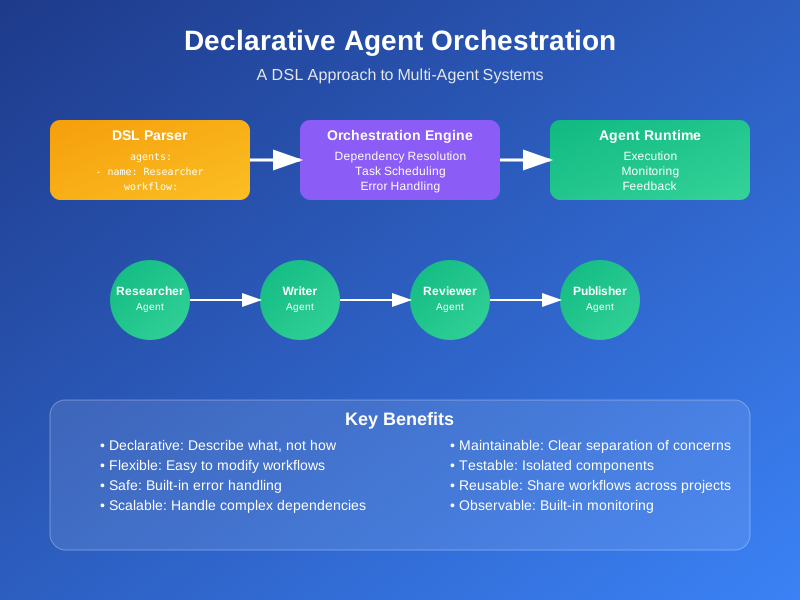
Learn how to orchestrate AI agents using declarative Domain-Specific Languages instead of complex imperative scripts. A practical guide to building flexible, maintainable multi-agent systems.
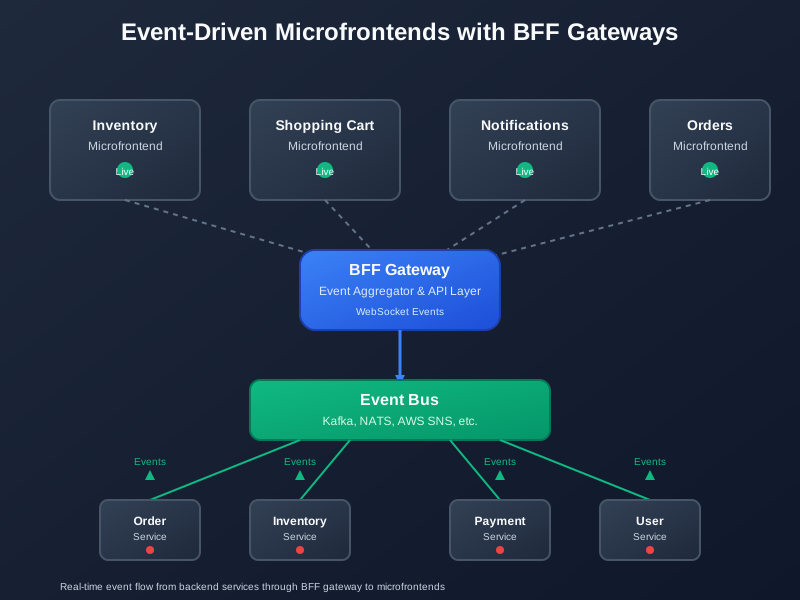
Learn how to build reactive microfrontend architectures using event-driven patterns and BFF gateways. From real-time state synchronization to scalable UI composition, discover how to create distributed frontend systems that respond to backend events.
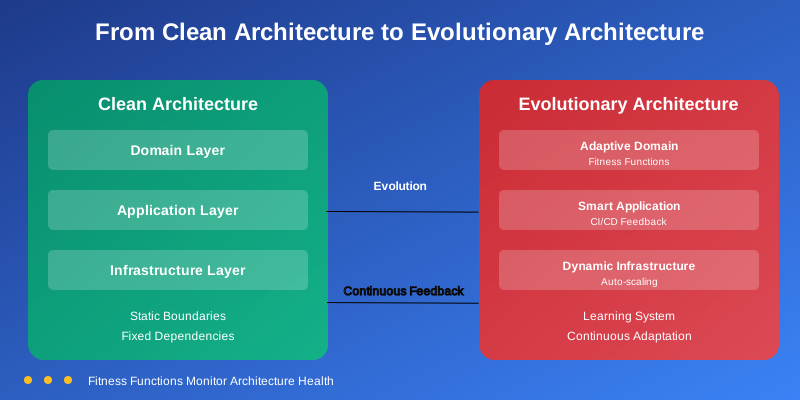
Learn how to evolve your Clean Architecture into a self-adapting system using fitness functions, automated metrics, and continuous feedback loops.
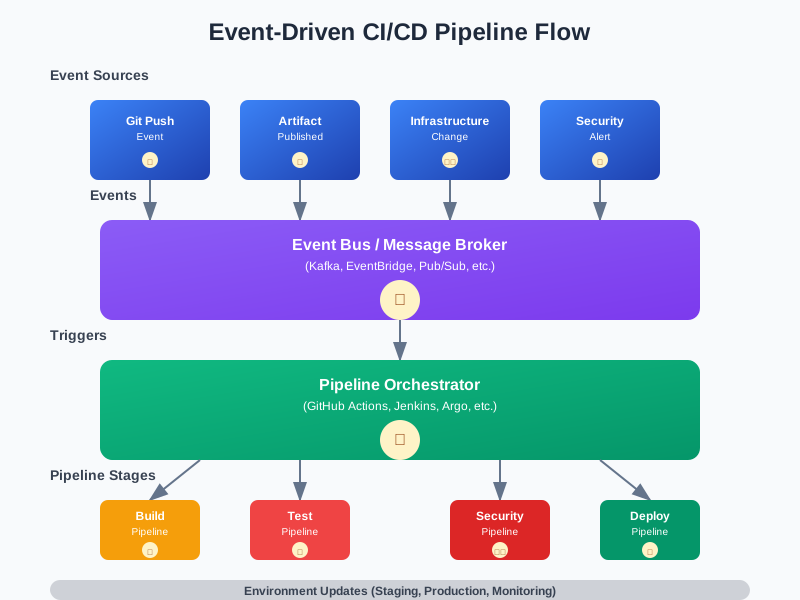
Learn how to build reactive CI/CD pipelines that respond to events instead of running on schedules. From Git events to infrastructure changes, discover how event-driven workflows can transform your deployment process.

How to build modular, domain-driven architectures that treat AI services as first-class components for better agility and team ownership.
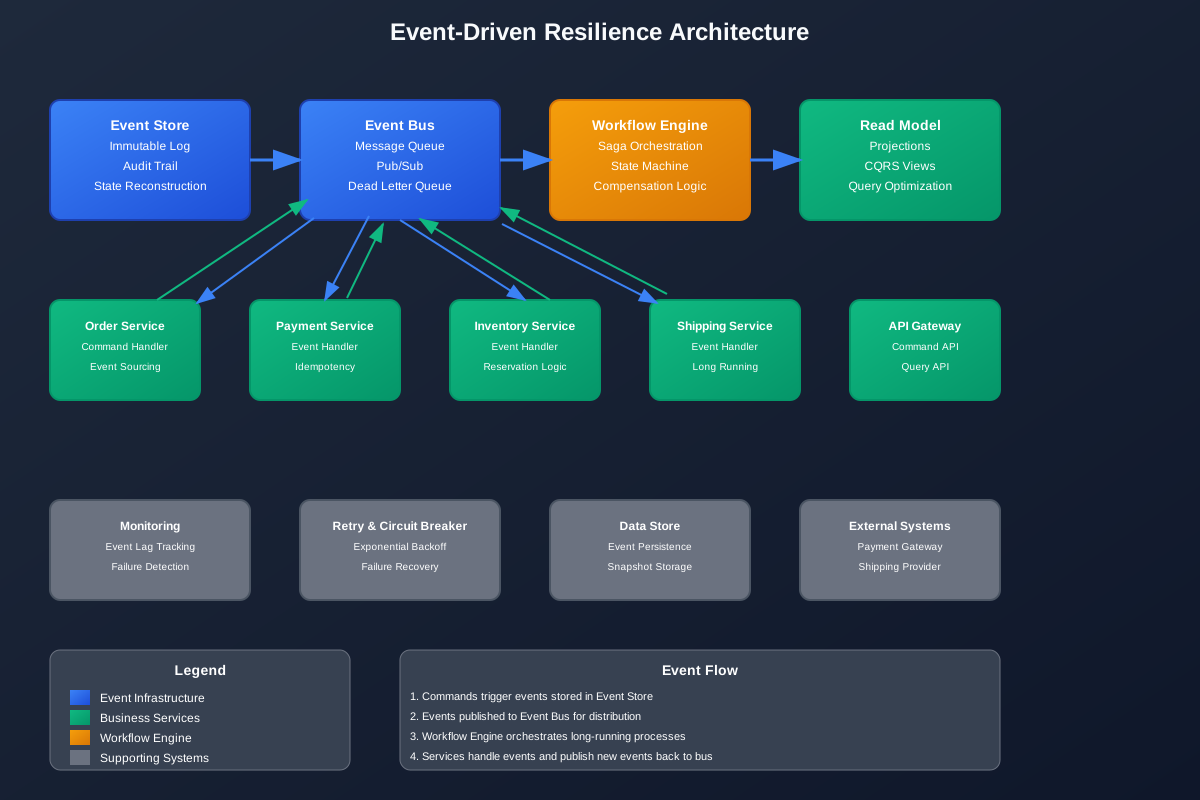
Learn how to build resilient distributed systems using event-driven architecture, event sourcing, and stateful workflows to handle failures, long-running transactions, and complex business processes.
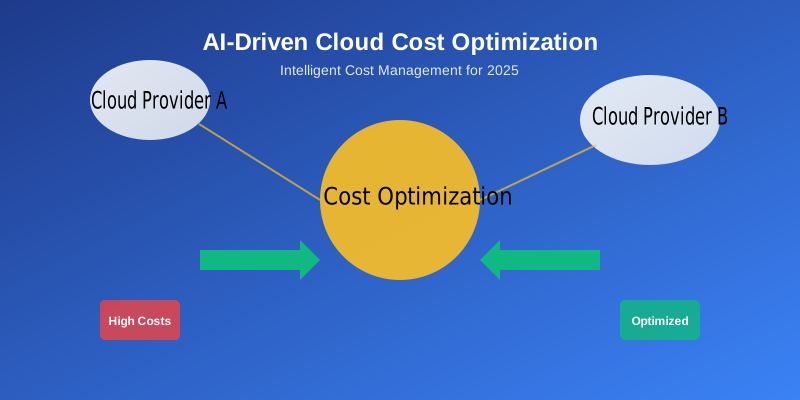
Learn how AI and machine learning techniques are revolutionizing cloud cost management, from predictive forecasting to automated rightsizing in multi-cloud environments.

Learn how to secure serverless microservices across hybrid and multi-cloud environments with practical patterns, code examples, and common pitfalls to avoid.
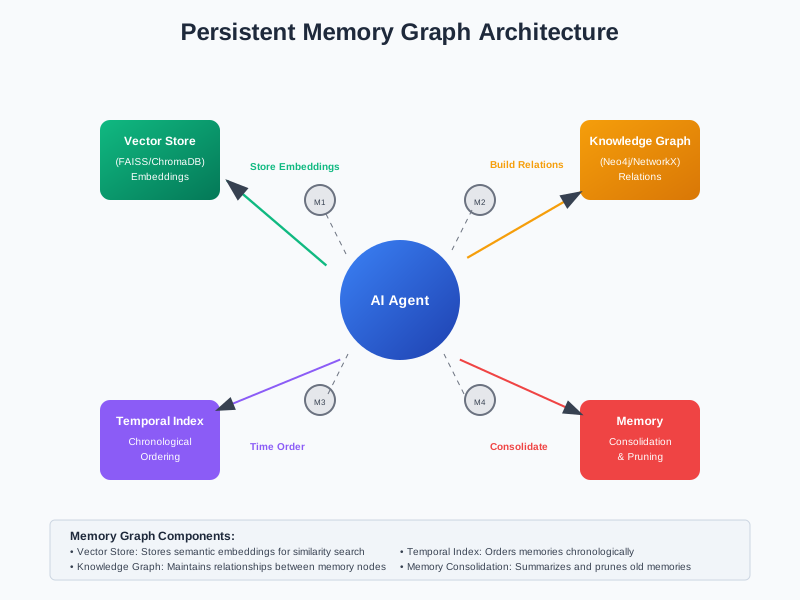
Learn how to build AI agents that remember and learn continuously using persistent memory graphs, vector stores, and temporal indexing for true lifelong learning capabilities.